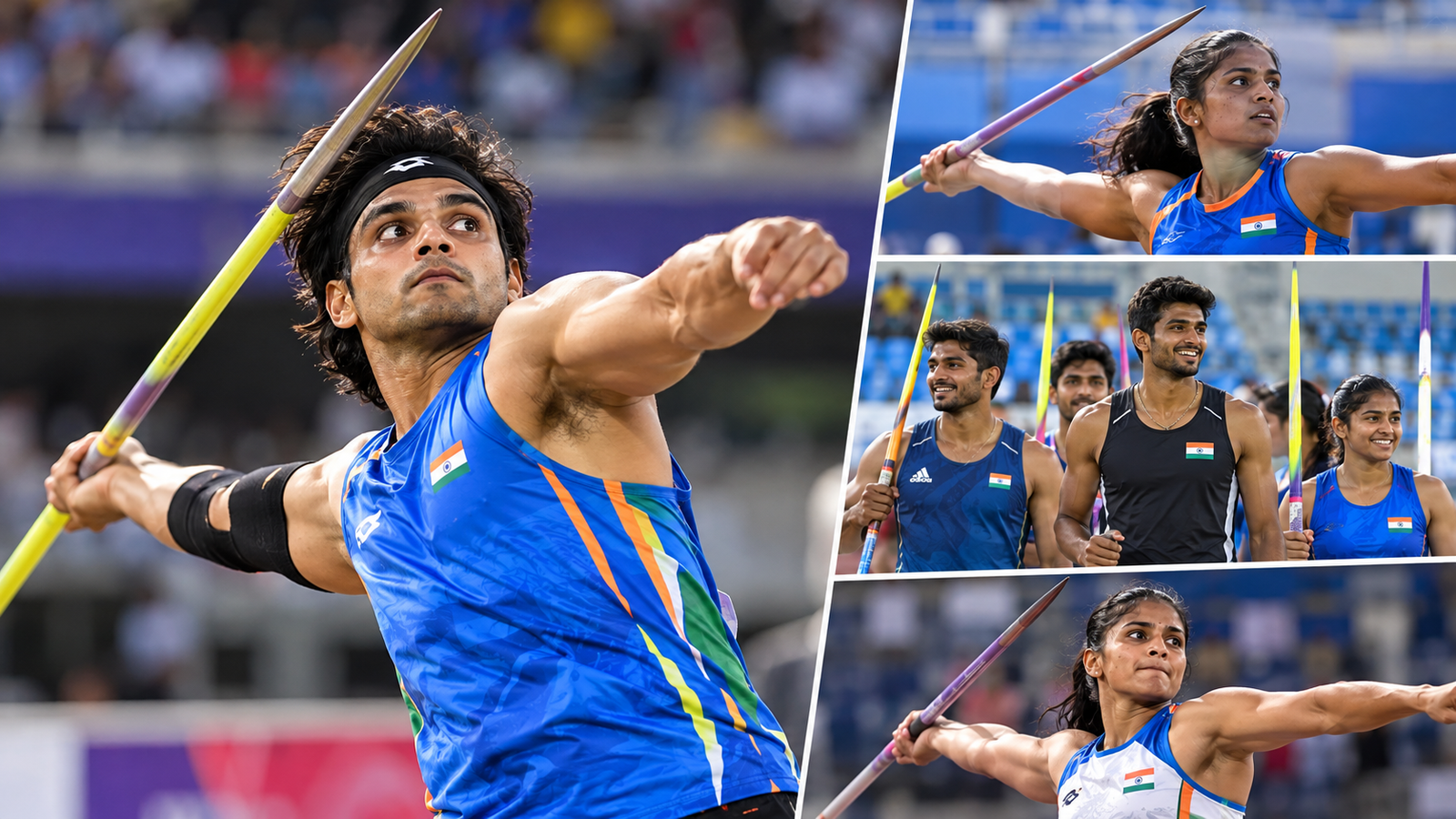
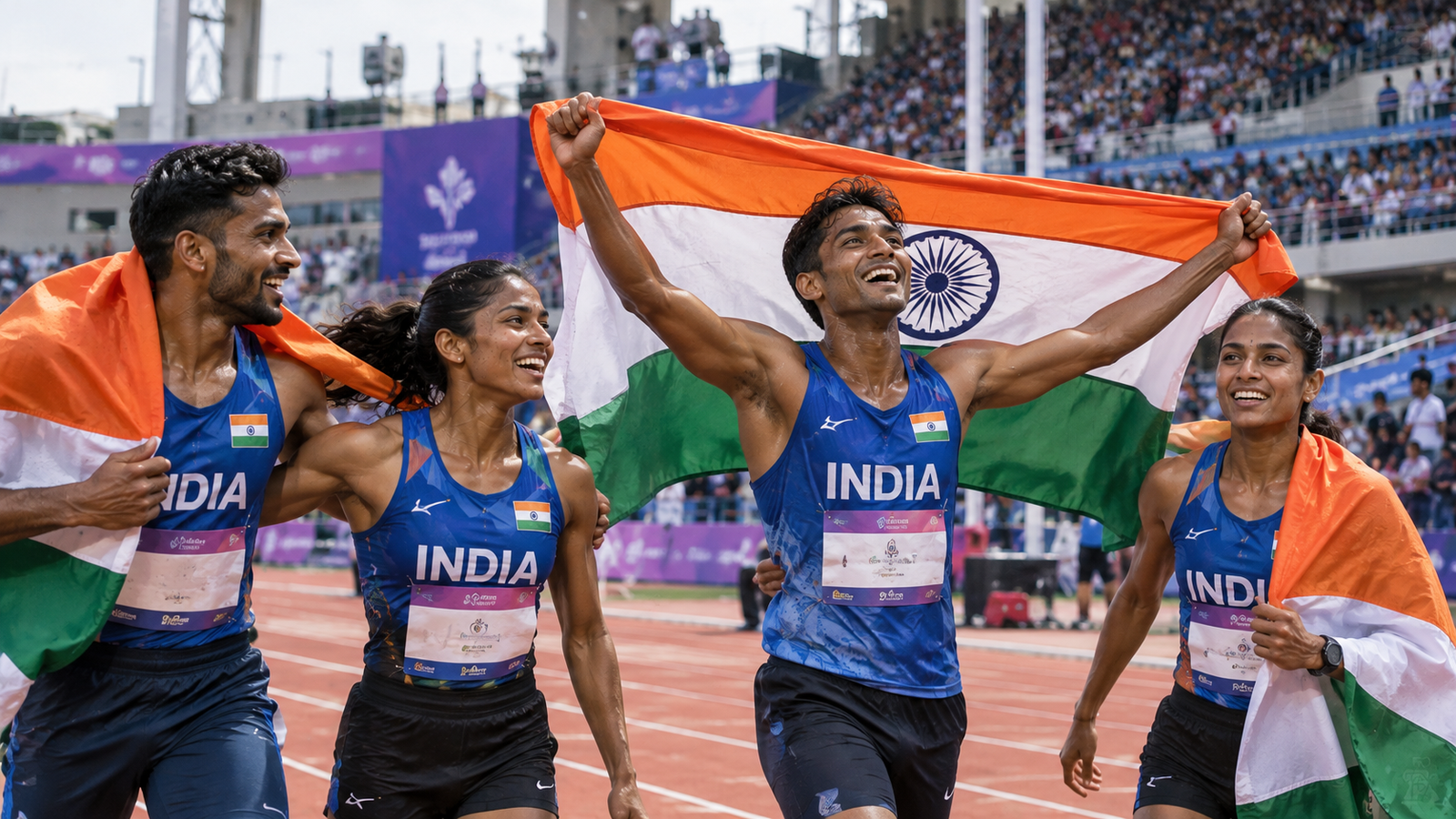
The Indian Athletics Performance review has become an important topic after India’s campaign at the 2026 Asian Games in Aichi-Nagoya, Japan. India won 24 athletics medals, including one gold, nine silver and 14 bronze, but the results fell short of the 29-medal tally achieved at the 2023 Hangzhou Asian Games.
The Indian Athletics Performance discussion focuses on medal conversion, athlete fitness, preparation and consistency. Although Indian athletes produced several memorable performances, the results also highlighted areas that deserve further examination before future international competitions.
The Indian Athletics Performance assessment should consider individual achievements alongside the overall medal tally. The objective is to understand what worked, identify potential weaknesses and determine how athletes can receive better support in future championships.
Key Highlights
- The Indian Athletics Performance campaign ended with 24 medals at the 2026 Asian Games.
- India won one gold, nine silver and 14 bronze medals in athletics.
- Gulveer Singh won three individual medals across the 1,500m, 5,000m and 10,000m events.
- Vithya Ramraj contributed to the women’s 4×400m relay gold medal and won bronze in the 400m hurdles.
- The Indian Athletics Performance review should examine injuries, competition readiness and the gap between medal finishes and gold-medal results.
Table of Contents
- What Happened?
- Important Details
- Why Is This News Important?
- Latest Updates
- Official Statement and Sources
- Background and Context
- Reactions and Public Response
- What Happens Next?
- Frequently Asked Questions
- Conclusion
What Happened? Indian Athletics Performance Under Review
The Indian Athletics Performance campaign at the Asian Games 2026 produced 24 medals. According to published competition reporting, India finished with one gold, nine silver and 14 bronze medals, compared with 29 medals at the previous Asian Games in Hangzhou. India Today’s report card provides a breakdown of the results.
The Indian Athletics Performance results presented a mixed picture. Indian athletes demonstrated their ability to compete for medals in distance running, hurdles, relays, jumping and throwing events, but the gold-medal tally was considerably lower than in 2023.
The Indian Athletics Performance review is especially relevant because the Athletics Federation of India, coaches and sports administrators need to understand the reasons behind individual outcomes. A medal tally can identify a trend, but it cannot explain every performance.
The Indian Athletics Performance discussion should therefore consider competition results, athlete health, technical execution and the quality of opposition. These factors can help distinguish between an unsuccessful campaign and an athlete who performed well but narrowly missed a higher position.
Important Details
Indian Athletics Performance and the Medal Tally
The Indian Athletics Performance figures show a decline from 29 medals in 2023 to 24 in 2026. The gold-medal total also dropped from six to one, while silver medals declined from 14 to nine and bronze medals increased from nine to 14.
The Indian Athletics Performance figures suggest that India continued to produce podium finishes but secured fewer top positions. This distinction matters because a bronze medal and a narrow defeat in a gold-medal contest can require different assessments.
The Indian Athletics Performance review should also compare results with personal bests and season bests. These measures can reveal whether an athlete improved, maintained form or performed below expectations.
The Indian Athletics Performance campaign should not be judged solely by medals. Individual progress, experience gained and consistency across events also provide useful information for future planning.
Gulveer Singh’s Outstanding Campaign
Gulveer Singh emerged as one of India’s leading athletes during the Asian Games. He won silver medals in the 1,500m and 10,000m and added bronze in the 5,000m, giving him three individual athletics medals.
The Indian Athletics Performance story gained an important positive example through Singh’s achievements. His results demonstrated India’s competitiveness in distance running and showed the value of sustained preparation across demanding events.
The Indian Athletics Performance assessment should consider the physical demands of competing in multiple races. Recovery, pacing and event scheduling are important areas for coaches to evaluate when athletes participate in several events at a major championship.
The Indian Athletics Performance programme can learn from successful campaigns without assuming that every athlete should follow the same training approach. Different events require different combinations of speed, endurance, technique and recovery.
Vithya Ramraj and the Women’s Relay Gold
Vithya Ramraj delivered a notable campaign in Nagoya. She won bronze in the women’s 400m hurdles and contributed to India’s gold medal in the women’s 4×400m relay.
The Indian Athletics Performance campaign benefited significantly from this relay victory. The quartet recorded 3:29.69, finishing ahead of Bahrain and China, according to published competition reporting.
The Indian Athletics Performance review should recognise that relay success depends on more than individual running ability. Team coordination, baton exchanges, race strategy and the execution of each leg can influence the final result.
The Indian Athletics Performance programme can build on this achievement by maintaining consistent relay preparation and identifying athletes who can contribute effectively under championship pressure.
Field Events and Distance Running
Indian athletes also won medals in field and endurance events. Yashvir Singh earned silver in the javelin throw with 85.72 metres, while marathon runner Sawan Barwal won silver in 2:11:37. Parul Chaudhary secured bronze in the women’s 3,000m steeplechase with a time of 9:08.67.
The Indian Athletics Performance results demonstrated that medal opportunities existed across several disciplines. These events require different coaching methods, physical preparation and competition strategies.
The Indian Athletics Performance review should compare performances with previous results before reaching conclusions about progress. A medal-winning result does not necessarily represent a personal best, just as a non-medal finish does not automatically mean an athlete performed poorly.
The Indian Athletics Performance assessment should also identify event-specific opportunities for improvement. Throwing technique, jumping consistency, endurance management and race tactics each require separate evaluation.
Injuries and Missed Opportunities
Injuries and event-day difficulties affected some Indian competitors. Published reporting identified Neeraj Chopra’s absence because of injury and discussed Avinash Sable’s return following an ACL injury. Jyothi Yarraji and Praveen Chitravel also did not start their respective events.
The Indian Athletics Performance review must treat these situations carefully. An athlete who cannot compete because of injury faces a different challenge from someone who completes an event but finishes below expectations.
The Indian Athletics Performance assessment should examine how medical readiness, selection decisions and training schedules were managed. Conclusions about individual responsibility should only be made when supported by verified information.
The Indian Athletics Performance programme may benefit from closer coordination between athletes, coaches, medical staff and selectors. However, any specific reform should be described as a proposal unless the responsible authorities confirm its adoption.
Why Is This News Important?
The Indian Athletics Performance results matter because athletics contributed 24 medals to India’s overall campaign. A detailed review can help determine whether preparation methods and competition strategies are producing the expected results.
The Indian Athletics Performance discussion also matters for future international events. India needs to assess its performance across disciplines rather than depend on a small number of standout athletes.
The Indian Athletics Performance review should focus on measurable targets, including season-best performances, personal records, qualification standards and consistency at major competitions. Such indicators can provide a clearer picture than medal totals alone.
The Indian Athletics Performance programme should also protect athlete welfare. Injury prevention, appropriate recovery and realistic competition schedules are important components of sustainable development.
Latest Updates
- September 19–October 4, 2026: The Asian Games took place in Aichi-Nagoya, Japan. The Indian Athletics Performance campaign formed part of India’s wider participation in the Games.
- October 4, 2026: The Games concluded, with India finishing fourth overall with 85 medals.
- October 5, 2026: India Today’s report card examined India’s overall sporting campaign, including the athletics results.
- October 6, 2026: The Indian Olympic Association published a summary of India’s campaign, confirming the country’s overall medal total.
- October 13, 2026: A Sports Ministry review of India’s Asian Games campaign was scheduled, with national sports federations expected to participate. The final outcome of any athletics-specific assessment has not been confirmed in the sources used for this article.
The Indian Athletics Performance story may develop further if the authorities publish detailed findings or announce changes to athlete preparation and selection. Until then, proposed measures should not be presented as official decisions.
Official Statement and Sources
The Indian Olympic Association reported that India finished the Asian Games with 85 medals, including 21 gold, 27 silver and 37 bronze. Its announcement provides an official overview of the country’s wider campaign.
The Indian Athletics Performance figures can be examined through the Athletics Federation of India’s official website and the Asian Athletics competition results.
The Indian Athletics Performance review should rely on confirmed results and official announcements. No unverified quotation or unsupported claim about a completed athletics-specific investigation is included here.
Background and Context
Comparing the 2023 and 2026 Campaigns
The Indian Athletics Performance comparison begins with the medal totals. India secured 29 athletics medals in Hangzhou in 2023 and 24 in Aichi-Nagoya in 2026.
The Indian Athletics Performance medal distribution changed substantially. Gold medals fell from six to one, silver medals declined from 14 to nine, and bronze medals increased from nine to 14.
The Indian Athletics Performance review should investigate these differences rather than assume they resulted from one problem. Competition conditions, athlete fitness, tactical decisions and the quality of international opposition may affect individual outcomes.
The Indian Athletics Performance programme can use historical results to establish realistic targets for future championships. Those targets should reflect each event’s competitive level and the development stage of individual athletes.
The Role of the Athletics Federation of India
The Athletics Federation of India is the national governing body for the sport. Its website publishes competition information, results and other athletics-related announcements.
The Indian Athletics Performance assessment can examine the support provided to athletes through selection, coaching, training and competition planning. These areas should be evaluated using evidence rather than assumptions.
The Indian Athletics Performance review should also recognise that sprinters, distance runners, jumpers and throwers have different requirements. A successful programme needs event-specific expertise and clear long-term development plans.
Building a Stronger Relay Programme
India’s women’s 4×400m relay victory was a major highlight of the competition. The quartet’s performance demonstrated the importance of coordinated execution and teamwork.
The Indian Athletics Performance programme can use the relay result as a positive example when planning future competitions. Consistent practice, well-managed athlete workloads and clear race strategies can support further progress.
The Indian Athletics Performance review should not depend on one gold medal to represent the entire programme. Improvements are needed across events if India wants more consistent results at major championships.
Developing Future Athletes
Long-term athlete development requires access to qualified coaching, suitable facilities, medical support and regular competition opportunities. Young athletes also need realistic progression plans that prioritise skill development and health.
The Indian Athletics Performance programme should assess progress across multiple seasons rather than overreact to one championship. Sustained improvement is generally a more useful indicator than a single result.
The Indian Athletics Performance review can help identify promising event groups and areas where additional support may be useful. Any funding or selection changes, however, should be confirmed by the relevant authorities before being reported as policy.
Reactions and Public Response
Published post-Games reporting has examined India’s athletics results, including its reduced gold-medal tally, injury setbacks and individual performances. These reports provide context for discussing the strengths and weaknesses of the campaign.
The Indian Athletics Performance review should distinguish between reported facts and public opinion. The sources consulted do not establish a single, unified response from all athletes, coaches or supporters.
The Indian Athletics Performance discussion can remain constructive by recognising the athletes’ achievements while examining opportunities for improvement. The purpose of a review should be to strengthen preparation and performance, not to assign blame without evidence.
What Happens Next?
The Indian Athletics Performance review may inform future preparation once the responsible authorities publish their findings. The Sports Ministry’s wider Asian Games review was scheduled for October 13, 2026, but the final outcome of an athletics-specific assessment remains unconfirmed in the sources used here.
The Indian Athletics Performance programme should consider several practical priorities:
- Compare competition results with personal and season bests.
- Improve coordination between coaches, medical staff and selectors.
- Review technical and tactical preparation separately for each discipline.
- Build on the women’s 4×400m relay success.
- Monitor athlete development across multiple competitions.
The Indian Athletics Performance review should establish clear and measurable objectives rather than relying only on medal targets. Progress can be tracked through consistency, qualification standards, athlete health and performances at major championships.
Frequently Asked Questions (FAQs)
1. What was India’s athletics medal tally at the 2026 Asian Games?
The Indian Athletics Performance campaign ended with 24 medals: one gold, nine silver and 14 bronze. India won fewer athletics medals than the 29 recorded at the 2023 Asian Games in Hangzhou. The figures highlight the need to examine individual performances and overall preparation.
2. Why is Indian Athletics Performance under review?
Indian Athletics Performance is under review because the medal total fell from 29 in 2023 to 24 in 2026, while the gold-medal tally declined from six to one. Injury setbacks and missed opportunities also featured in reporting, making a detailed assessment useful for future planning.
3. Who was India’s standout athletics performer?
Gulveer Singh was among the leading performers, winning silver in the 1,500m and 10,000m and bronze in the 5,000m. Vithya Ramraj also delivered notable results through a 400m hurdles bronze and a contribution to India’s women’s 4×400m relay gold.
4. Did India win an athletics gold medal in 2026?
Yes. India won gold in the women’s 4×400m relay, with the quartet recording 3:29.69. The result was the athletics team’s only gold medal at the Games and highlighted the value of coordination, preparation and consistent execution.
5. How did the 2026 results compare with 2023?
India won 29 athletics medals in 2023 and 24 in 2026. The earlier campaign included six gold medals, while the 2026 total included one. Silver medals fell from 14 to nine, and bronze medals increased from nine to 14.
6. Which injuries affected India’s athletics campaign?
Published reports discussed Neeraj Chopra’s absence because of injury and Avinash Sable’s return following an ACL injury. Jyothi Yarraji and Praveen Chitravel also did not start their events. The circumstances differed, and each athlete’s situation should be assessed individually.
7. Where can readers check official athletics results?
Readers can visit the Athletics Federation of India’s website at https://indianathletics.in/ or the Asian Athletics competition results page. These sources provide official competition information and results that can support further analysis of Indian athletes’ performances.
8. What improvements could help India’s athletics team?
Potential priorities include injury prevention, event-specific coaching, relay coordination, competition readiness and long-term athlete development. These are areas for consideration rather than confirmed policy changes. Any formal reforms should be reported only after the responsible authorities announce them.
Conclusion
The Indian Athletics Performance campaign at the 2026 Asian Games combined significant individual achievements with a decline in the overall medal tally. Gulveer Singh’s three individual medals and the women’s 4×400m relay gold were major highlights.
The Indian Athletics Performance review should recognise these achievements while examining missed opportunities, injuries and the reduction in gold medals. A balanced assessment must rely on verified results and distinguish confirmed decisions from proposed improvements.
The Indian Athletics Performance programme can use the lessons from Nagoya to support stronger preparation, athlete welfare and consistent results across disciplines. The most useful takeaway is to turn the competition’s lessons into measurable progress at future international events.
For more latest sports news, match updates, and breaking sports stories, visit WorldPlayHub.